
What pieces or projects have you been working on lately?
I’m currently working with three very important people in my life in a creative studio called Quincunce. We’re in a development phase, beginning with the creation of our identity and seeking to define what we want to be within the art world.
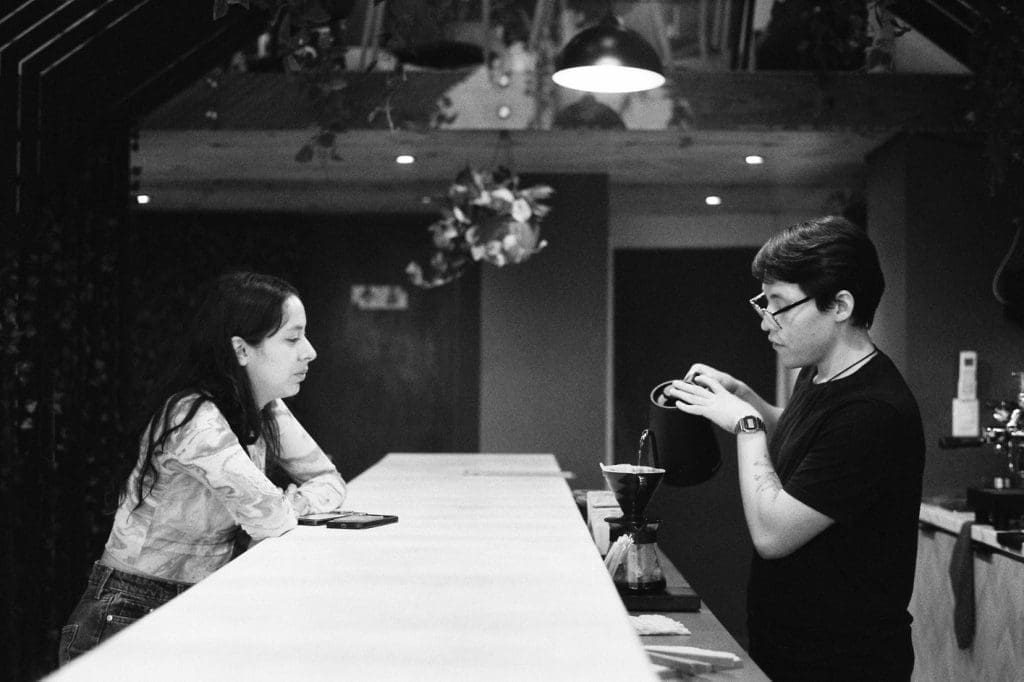
On a personal level, I’ve been taking photographs for over ten years; however, once I began working with analog photography, I gave my work a sense of pursuit. Everything I photographed became a constant questioning of belonging, identity, and the simple act of existing and “being.”
This process gradually led me toward a search for myself. By observing, I noticed how easily people coexist, without discomfort or fear of the social environment; people simply exist, naturally. In contrast, I felt that I lacked that sense of existence and failed when trying to embody it, so my photographs became a longing for a meaningful existence.
I’m currently at a stage in my project where I’m trying to connect all those past years into a kind of visual thesis, gathering everything I’ve learned throughout my personal journey. Beyond being a project for others’ contemplation, it has been a learning process that became embedded in me. In an empirical way, I collected knowledge that helped me survive difficult circumstances that have emotionally overwhelmed me.
What did you learn (or unlearn) while working on them?
At first, I believed that the only photographs capable of communicating something — of holding depth or carrying the weight of a story — were those that involved people. However, I began to notice that everything around us says something.
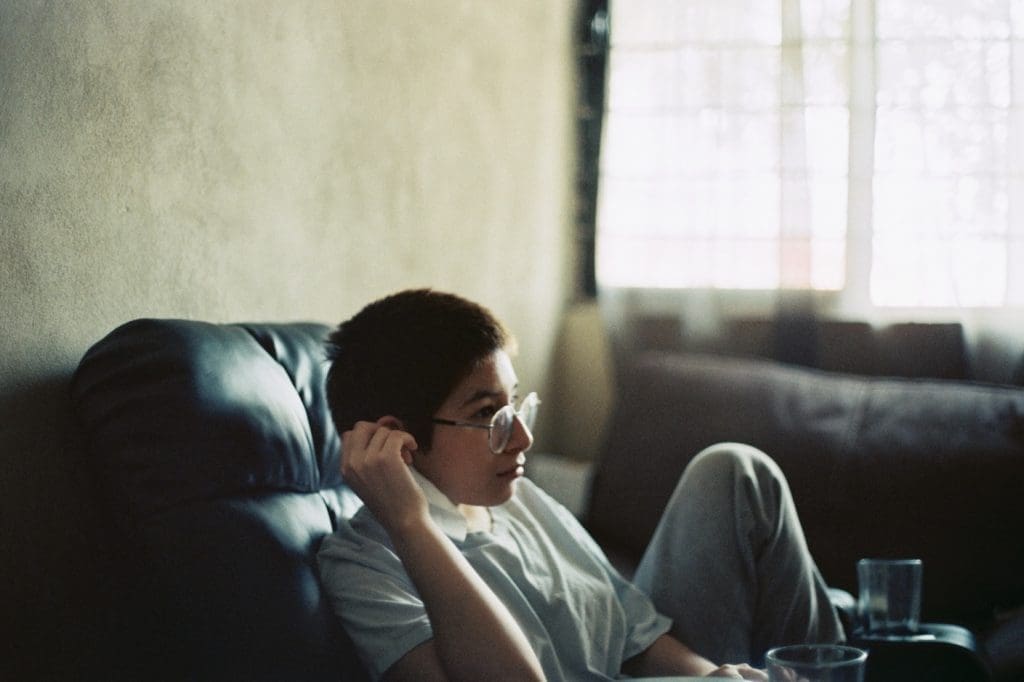
A few years ago, I had the opportunity to visit the town where I was born. Seeing houses still uninhabited, I reflected on how observing them stirred hidden feelings in me that I couldn’t clearly identify, yet they were entirely palpable. They weren’t abandoned; there was simply no longer a human life present. What was curious is that the identity of that place had not lost its essence.
From that moment on, my perspective expanded. My eyes no longer captured only people, but also the way their identities remain within the spaces they inhabit and within those around them.
I unlearned how to observe in order to learn how to see again.
Were there any conversations, movies, music, or books that made their way into that work?
There is a short film, a movie, a song, and a poem that I feel somehow intersected with my work.
The short film is Persona: Walking at Night by Kim Jong-kwan. It tells the story of a young woman who reunites in a dream with her former partner to say goodbye one last time, as she had died days earlier. I connected deeply with a line in the script where she says: “Dreams and death lead nowhere; they end in nothingness and fall into oblivion. We are here, but no one will remember us. Everything has disappeared and only the night remains. Goodbye.”
The film is Memoir of a Snailby Adam Elliot. This work captures a profoundly human quality that continues to amaze me to this day: resilience. It’s something I’ve witnessed in many people around me and in those I’ve photographed.
The song "Class of 2013" by Mitskispeaks about continuing to dream despite the trail of exhaustion it leaves behind. I felt it was deeply personal the first time I heard it; however, whenever I had a profound conversation with someone, I felt accompanied and came to understand the immense complexity within people — so much chaos, and yet there is always a warm glimmer of light that pushes us to keep dreaming.
Lastly, a poem by Alejandra Pizarnik, taken from her diaries:
I inhabit the moon with frenzy. I am not afraid of dying; I am afraid of this foreign, aggressive earth… I cannot think about concrete things; they do not interest me. I do not know how to speak like everyone else. My words are strange and come from afar, from where it is not, from encounters with no one…
This fragment deeply relates to my interest in understanding the vastness of this world and the people who inhabit it.
What's been the most difficult thing you've faced recently in your creative process?
The pressure I place on myself has left traces of creative block and ideas that, when overthought, end up becoming abandoned projects or thoughts suspended in the air. I believe the hardest part has been continuing to trust my mind to generate new ideas and to stop distrusting the ones that already exist.
I also feel that the world runs while I barely walk. I’m a very anxious person, and time is a factor that constantly keeps me rushing. Sometimes it overwhelms me to have so many things to do, but when I manage to organize my thoughts, little by little I begin to flow creatively again.
What is your favorite restaurant and what do you recommend we order?
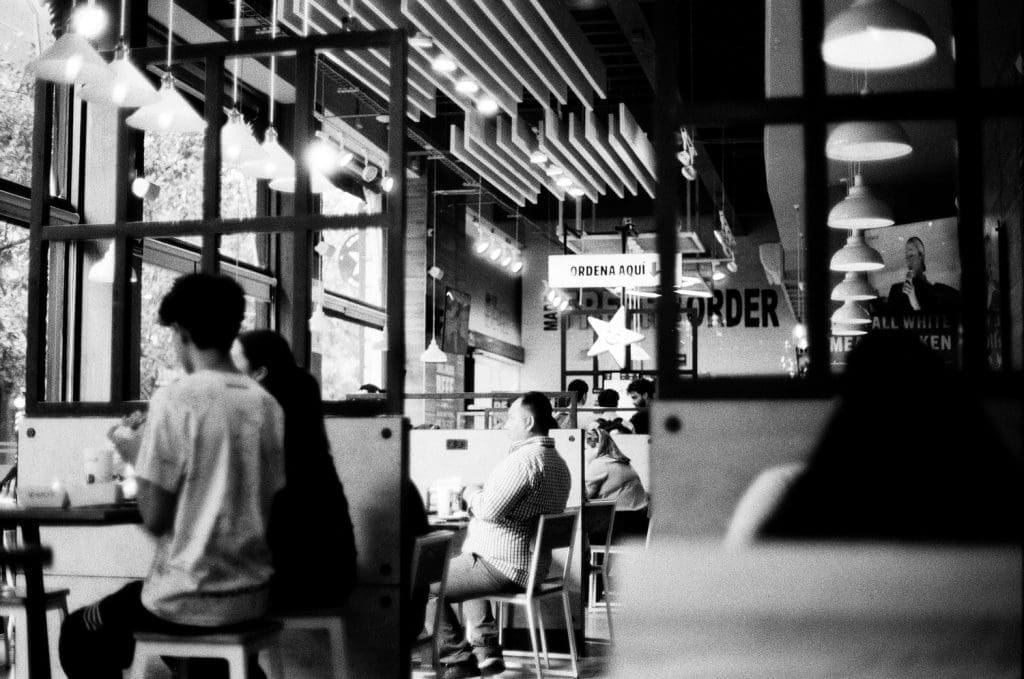
I’m quite unstable when it comes to having favorite places, since I tend to change them often. Currently, one of my favorite spots isn’t a restaurant but a café called Roland. It may sound unusual, but you won’t regret it: I always order the jamaica bajo cero—a cold brew with hibiscus concentrate. Whenever I’m in Barrio Antiguo, I almost always make it a mandatory stop. As a bonus, everyone who works there is incredibly kind.
If your life were a movie this month, what would it be called and who would write the soundtrack?
I think it would be called The Ashes Fly , and the soundtrack would be created by Lana del Rey.
Recommend one or more artists you follow who inspire you, and tell us what you like most about their work or their way of working.
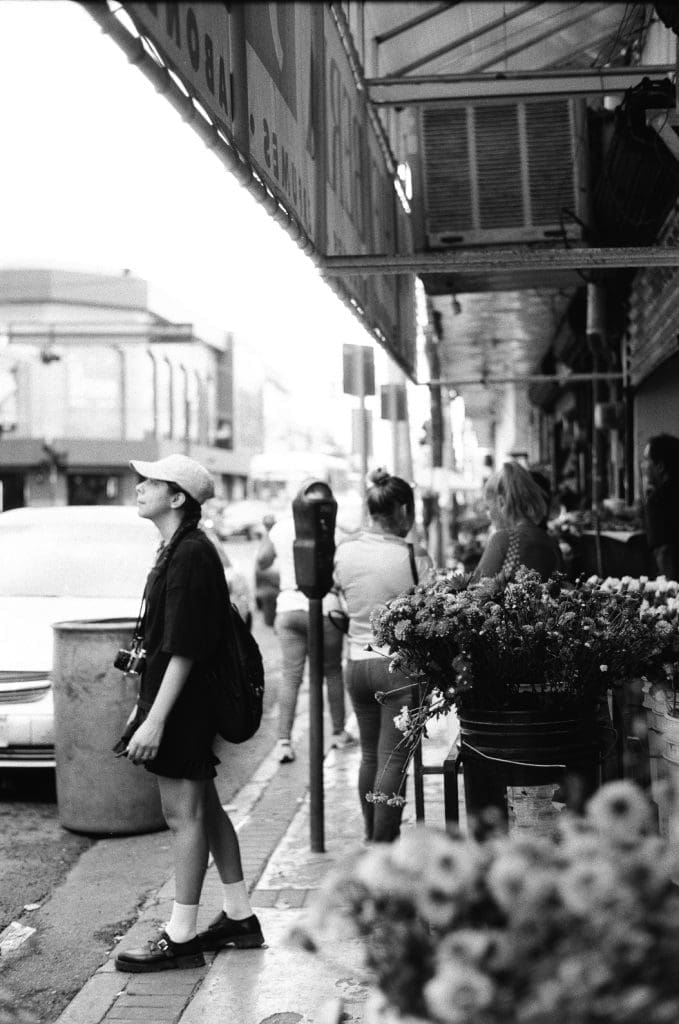
The works of Petra Collins, Carlos Manuel and Juan Carlos Beltrán have inspired me the most. I consider their work to be extremely refined — from their framing, their use of color, and the contrasts when they work in black and white, to the emotion they convey and everything they manage to communicate in a single photograph. Their way of working feels creative, natural, and guided by impeccable direction.
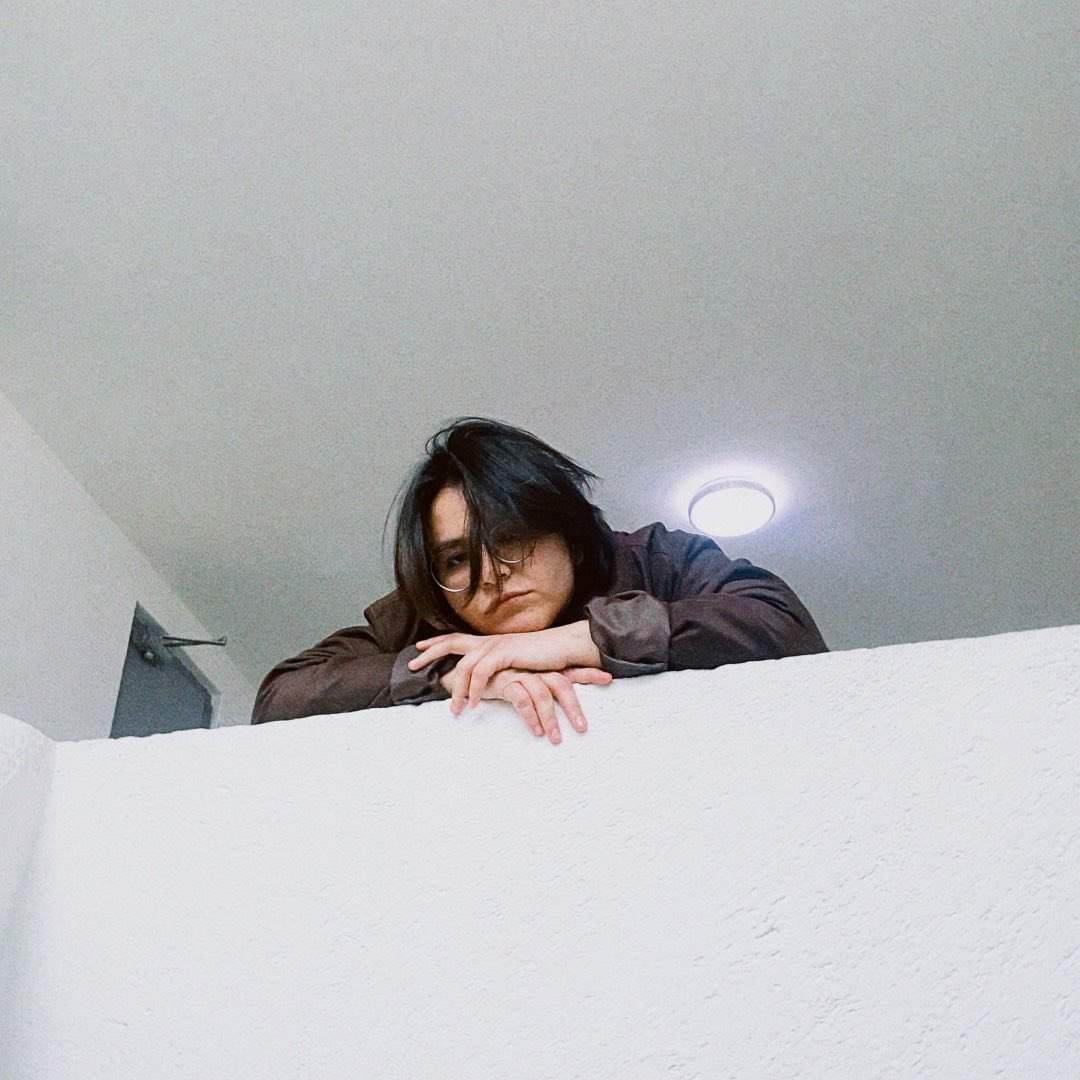
I am a pseudo-photographer and currently work at Pantera Film Lab. At 27 years old, I continue searching, through photography, for a definition of what it truly means — for me — to be an artist.