How did this place come about and what made it different from the start?
La Matadora began out of necessity, a deep love for what coffee means to us, and a persistent desire to do something we truly enjoy. The truth is, at the beginning we didn't have everything figured out—money, infrastructure, time—but we stopped waiting for ideal conditions and started making La Matadora work with what we did have: perseverance.

What part of the day, space, or creative process do those who work here enjoy the most?
We enjoy interacting at the bar: the moment when we can chat, give recommendations, taste and learn together; basically, the ritual we have as a team.
We also greatly value when people appreciate and embrace the project, and when the space becomes a point to meet our clients and build community.

If someone is coming in for the first time, what should they not miss?
For those joining the team, it is key to know the story of La Matadora's beginnings, its identity, its values, and one of our main missions: traceability and professionalism within the barista industry.
For our customers, we would like them to enjoy the atmosphere created inside and outside the bar: the space, the music, a good conversation; and to be able to enjoy everything from an Americano to a seasonal drink, knowing that all of them carry the same care, affection and attention.

What has been an interesting challenge that has made you rethink something about the project?
One of the biggest challenges we've faced was growing without having enough resources to do so.
We started as an event bar at the flea market, without a fixed location. Very quickly, opportunities arose, like staying at Paneo, and that led us to make decisions much faster than we expected: quitting our jobs, giving up some financial stability, and sacrificing our free time to dedicate ourselves completely to La Matadora.
In a matter of eight months we took the next step: renting our own premises, all in less than a year.
More than just adapting quickly, the real change was understanding that growth wasn't going to be perfect or comfortable. And from there, we continued making decisions that shaped the project's direction.

What influence, idea, or reference continues to shape the way you work today?
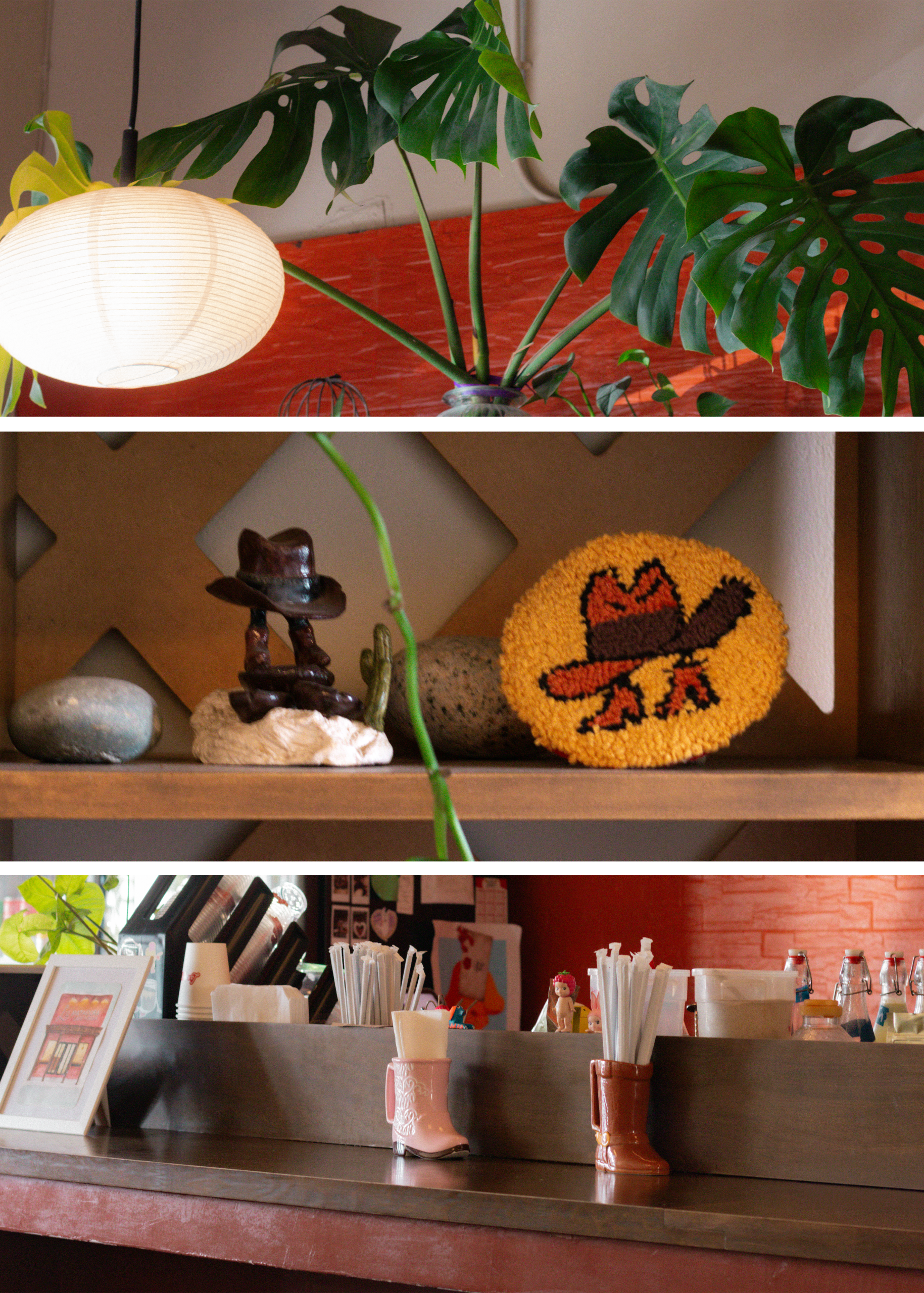
The origin: Mexican culture, maximalism, language, colors and friendliness, all integrated within the space.
We aim to share the stories of producers and everyone involved in the world of coffee. That's what connects us: coffee as a bridge for conversation.

What place, project, or person has inspired you recently and why?
Location: Mexico and its culture.
Project: Las Adelitas, for the people involved and for their mission. Also, the projects of close friends, from whom we learn a lot and who constantly challenge us to improve.
People: our team, because every day they remind us of the importance of continuing to update ourselves, learning, innovating and working to ensure that this is recognized as the profession it is within the coffee industry.

If your space could invite someone to collaborate for a day, who would it be and what would you do together?
We would like to collaborate with Las Adelitas, creating a space where they can share more about their project: from the beans they work with to their perspective on coffee.
Also with Hola Café, for all the education they have developed around coffee, which has had a very relevant impact on the community.

Is there an object, corner or detail of the place that has a story that few people know?
Our mascot: Miguel the Rock. Yes, there's a detail that many people notice, but not everyone knows its story: a small rock with eyes named Miguel.
In the beginning, when we didn't have many resources, we started decorating the space with things we already had at home. Miguel was simply one of those things, a rock we brought without thinking too much about it.
But people started to notice. They asked us if it had a name or what it meant, and at that point, half-jokingly, we started saying it was our mascot. The community caught on and became more involved, until we decided to make them part of it and launch a contest for them to choose its name.
That's how he ended up being called Miguel.

If this project were a city, a book, or a record, which would it be and why?
If La Matadora were a city, it would be Tijuana. Not only for its diversity, but for its character: it's a city where many ways of seeing and doing things coexist, creating a very unique identity. There's contrast, a mix, and above all, personality. We believe the project is similar to that: a space where different ideas and styles can coexist without losing their authenticity.
And if it were music, more than an album it would be the song “Mi lugar correcto" by Natalia Lafourcade. Not so much for a romantic idea, but for what it implies: recognizing that you are in a place you chose, with all that that entails. For us, the project has been that: a decision that we continue to uphold every day.
Answers by Karina Lugo, Dan Torres, Kevin Castaldi (Owners) and Daniela Cruz (Marketing) of La Matadora Café y Origen.

Coffee and origin
Calz del Tecnológico 15300-local 508, Altabrisa
Tijuana, Baja California
Mexico