How did this place come about and what made it different from the start?
Jaruco was born in the city of Oaxaca through a quiet process of maturation. The foundations of the project go back several years; at first, we roasted only for our own bar and friends. Over time, we developed the technique and consistency needed to also supply high-volume bars and naturally position ourselves as a roasting house.
What part of the day, space, or creative process do those who work here enjoy the most?
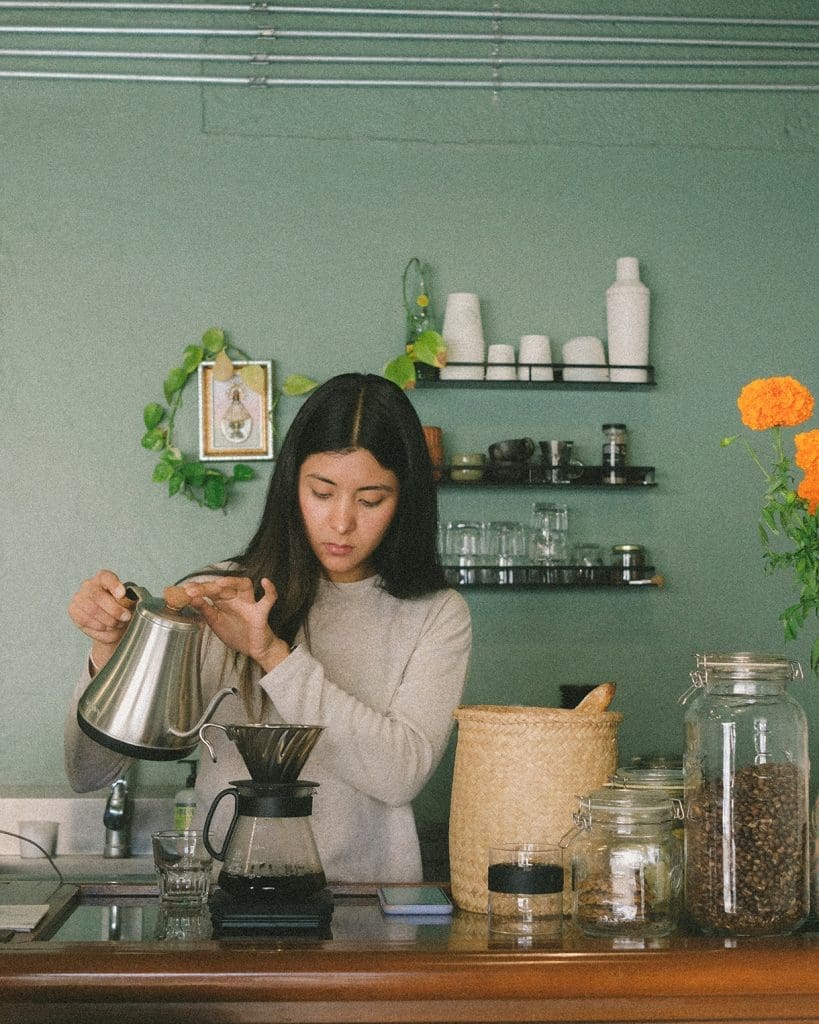
We enjoy the time we share with the people who stop by the shop for their coffee; it’s a moment that takes us out of our own world and into someone else’s. We firmly believe in restoring hospitality, a value that has been fading in contemporary spaces and urgently needs to be reclaimed.
If someone is coming in for the first time, what should they not miss?
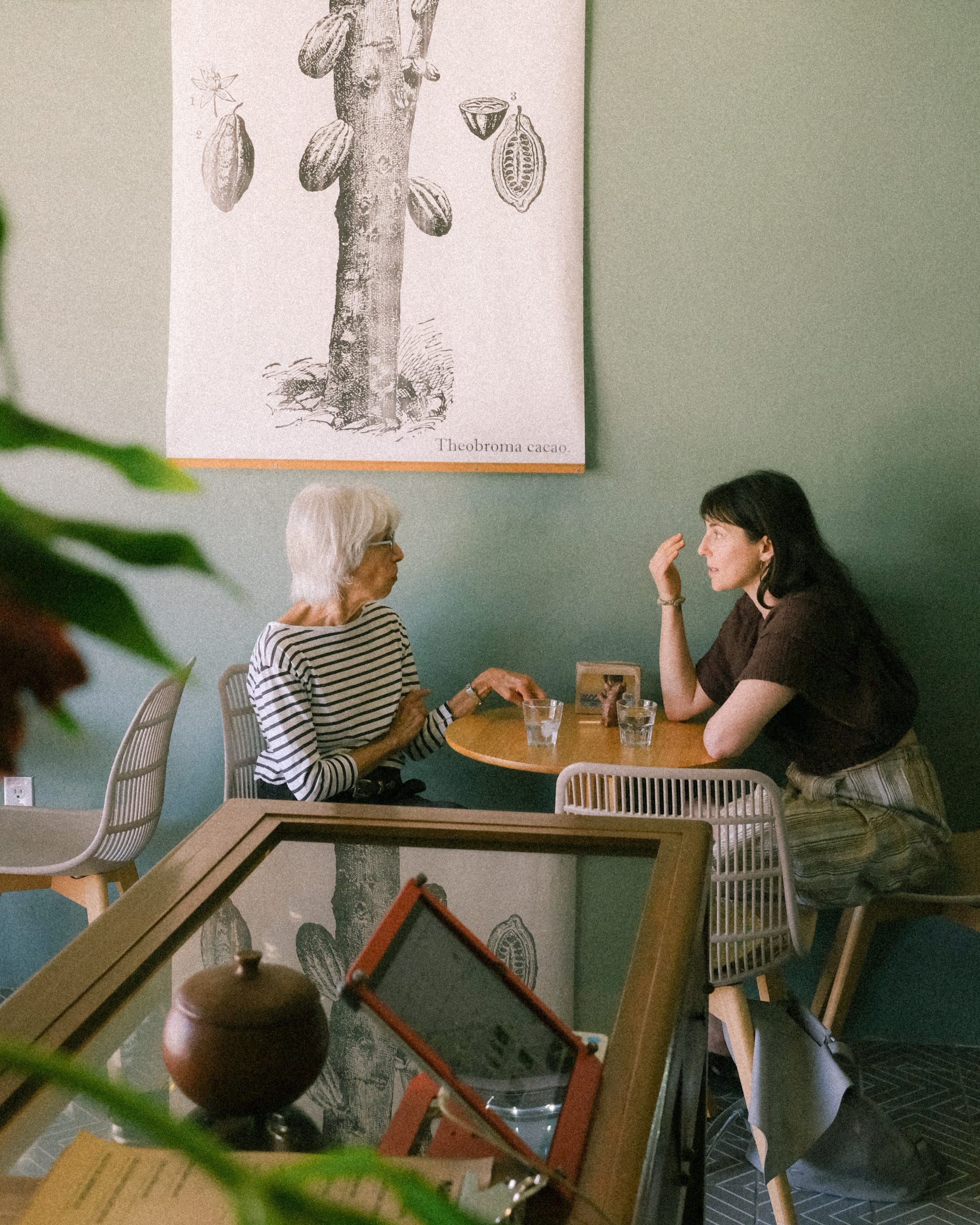
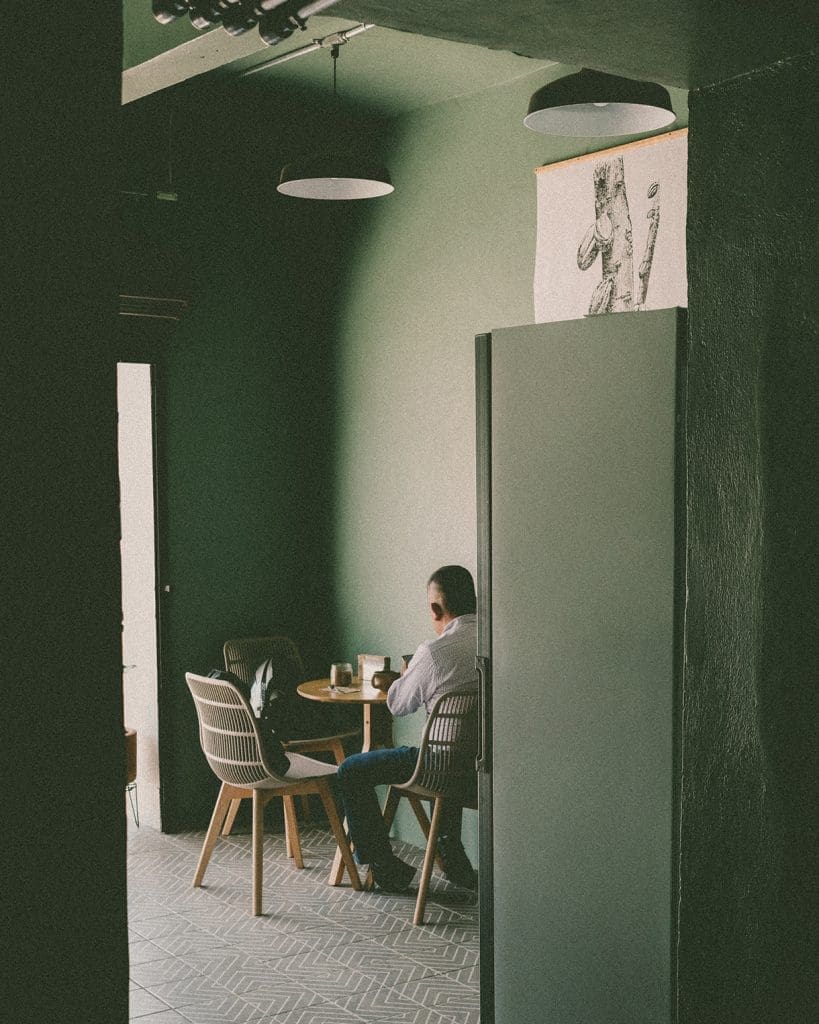
When visiting, the ideal is to try the seasonal coffees and let go of expectations. We share a roof with Mamá Pacha Chocolate; the experience here is about enjoying the calm of the space while discovering the cup’s profile, paired with something sweet. More than once, you’ll witness production processes, since we are also a workshop.
The objects around us become more than utilitarian once you know the hands that made them; that’s why we make a point of showcasing art and ceramics by our friends. If you’re new to the city, talking with the baristas will give you a sense of what’s happening in the neighborhood and send you off with great recommendations.
What has been an interesting challenge that has made you rethink something about the project?
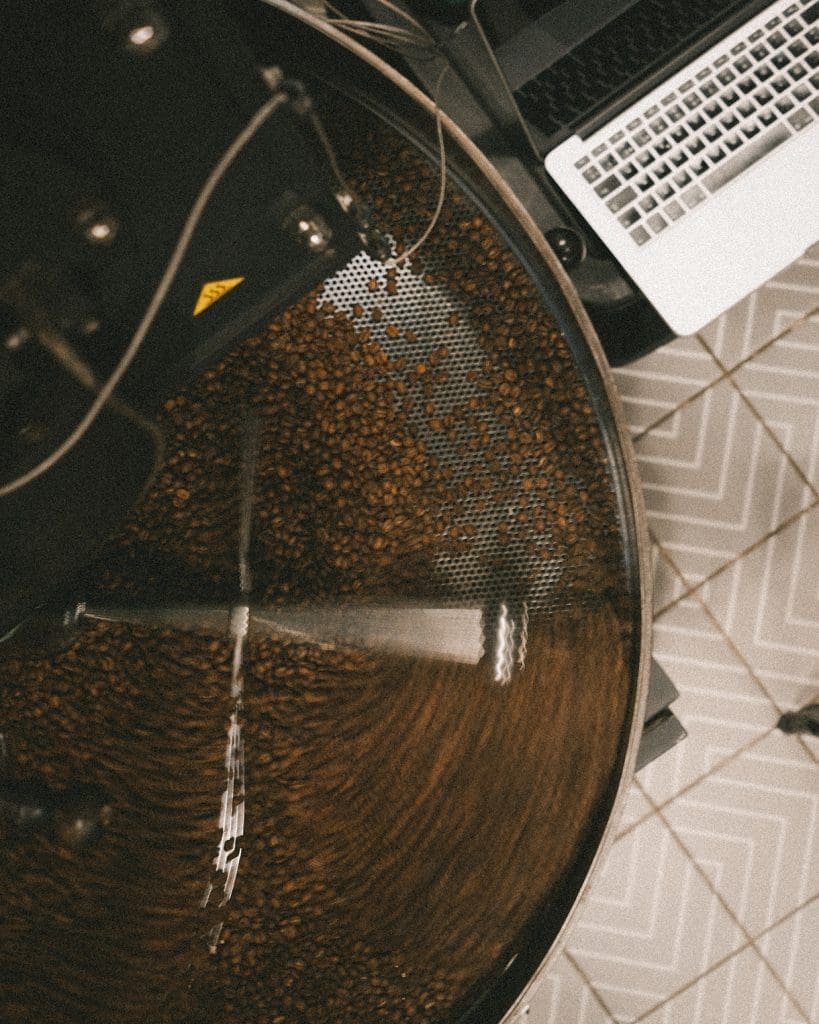
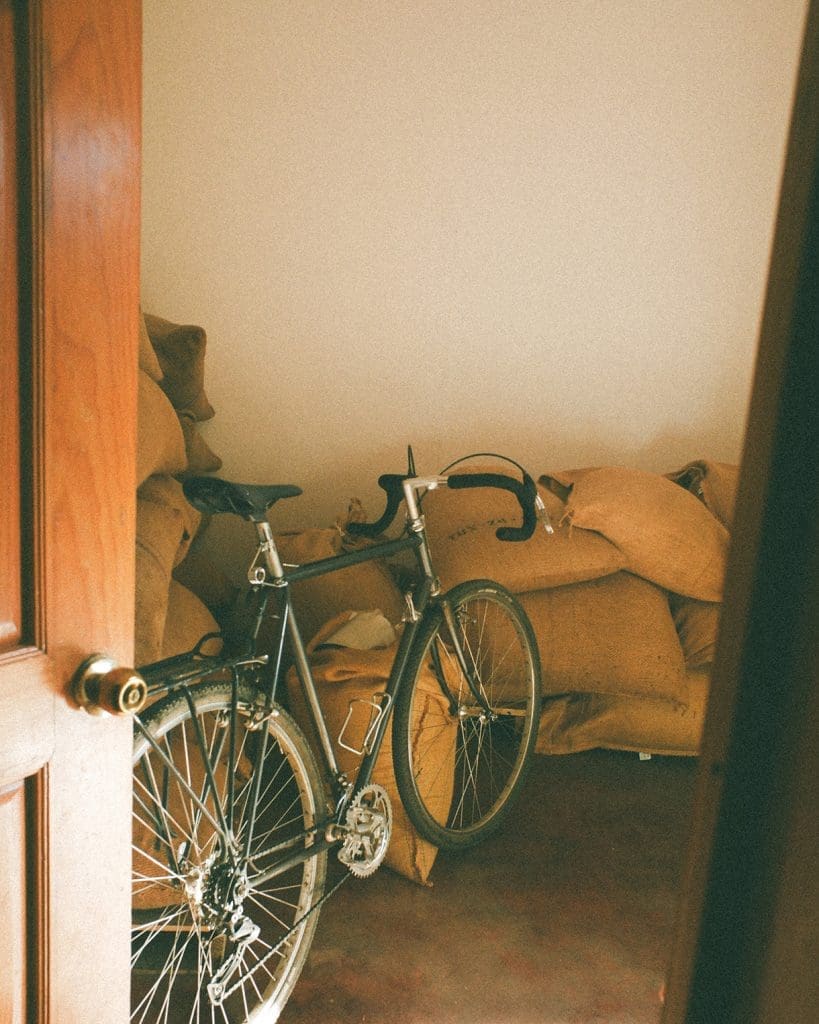
When we scaled our operation, we moved from a Trejo air roaster to a 1978 Probat. Moving that nearly one-ton machine of iron and restoring it ourselves was a challenge that pushed us to take on new commitments as roasters.
What influence, idea, or reference continues to shape the way you work today?
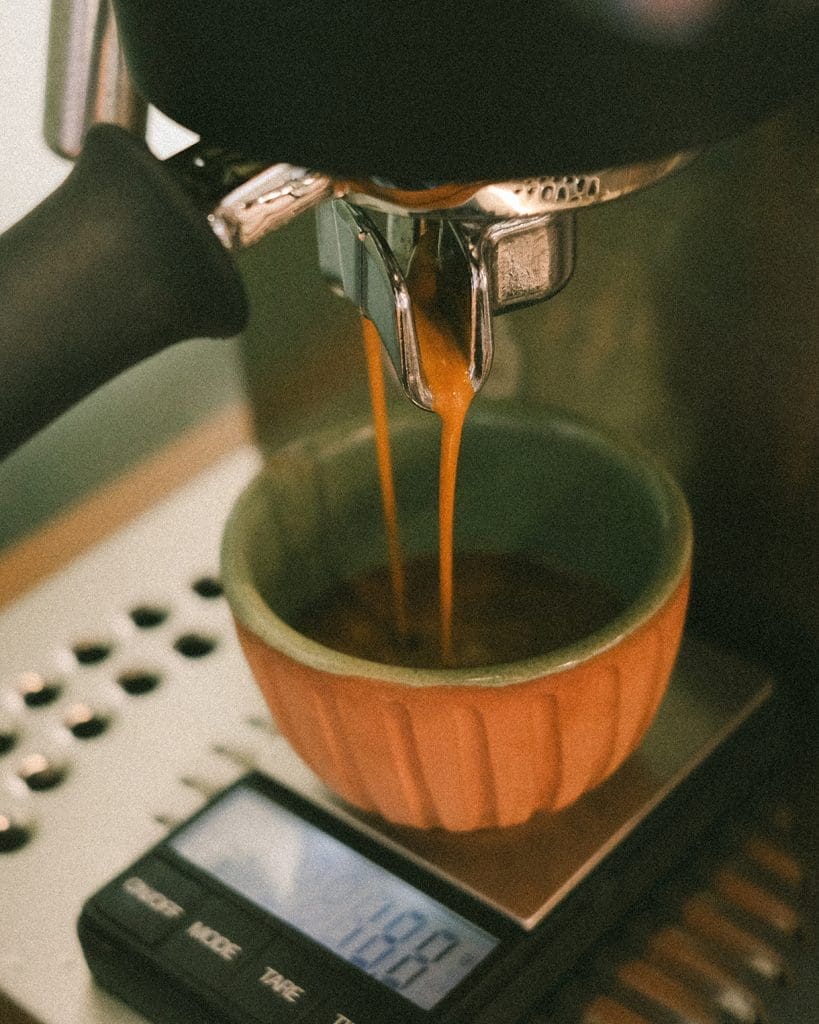
We start from the premise that good coffee should be democratic and understandable. That’s why we appreciate the work of James Hoffmann , who explains the processes behind a good extraction so coffee tastes great when prepared at home, something often overlooked in the industry. We’d love to visit his roastery, Square Mile, in the UK.
What place, project, or person has inspired you recently and why?
We’re inspired by Cafeólogo for the ecopoetic way it communicates everything behind coffee culture, from plant to cup. We also closely follow Scott Rao, from whom we’ve learned best practices and roasting protocols that have improved our workflow.
If your space could invite someone to collaborate for a day, who would it be and what would you do together?
We’d love to collaborate with Ichiro Kitazawa. It would be fascinating to see how his omakase cuisine dialogues with our beans brewed through Japanese methods like Origami or V60, exploring the versatility of coffee in gastronomic contexts beyond breakfast.
Is there an object, corner or detail of the place that has a story that few people know?
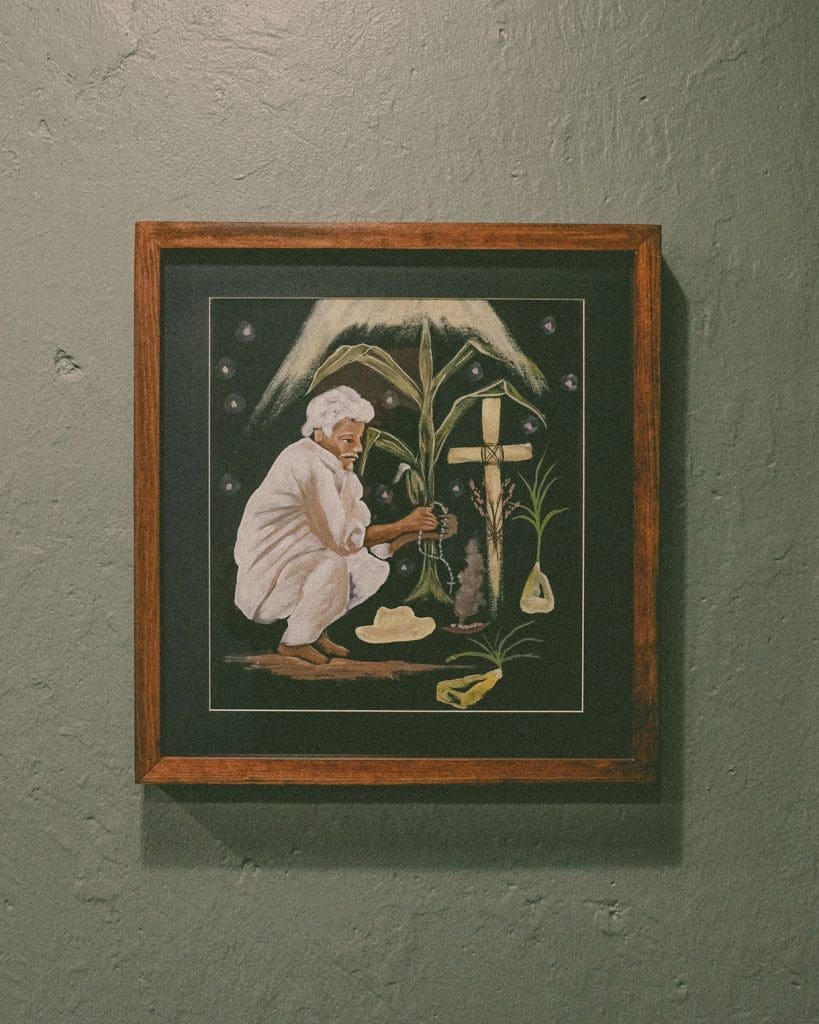
At our bar, we have a piece of folk art from Huautla de Jiménez depicting a Mazatec farmer performing a ritual for planting corn. For us, it represents humility before the work: nothing we do depends solely on our effort and will, but also on what we are granted permission to do.
If this project were a city, a book, or a record, which would it be and why?
If Jaruco were an album, it would be a guitar duet by Los Macorinos. There is technical discipline, balance, and structure behind every note, yet the final result is warm and fluid, like a good cup of coffee.
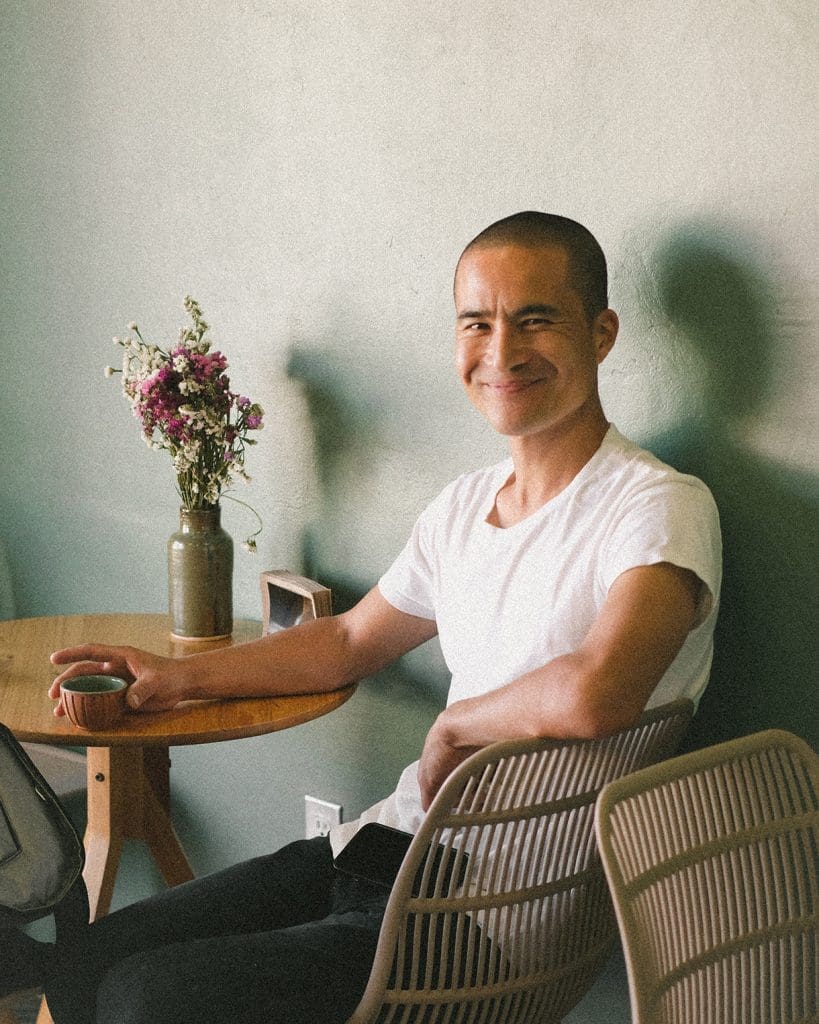
Answers by Antonio Michelena.