There is something deeply strange about grieving someone who is still breathing. It is a form of absence that has no place in a cemetery, but instead lives in the inbox of messages that never arrive and in streets that now feel like forbidden territory.
It is the nostalgia for something that still exists, but no longer belongs to us.
Missing the living is walking through a city full of ghosts with a pulse. Knowing that this person is just a few kilometers away, that they have breakfast, that they laugh, that they might even be listening to the same song as you at this very moment—and yet the bridge between your worlds has collapsed. It is not about the definitive loss of death, but about the loss of will, of wanting to be there.
Silence is not an accident; it is a decision sustained over time.
It feels like an echo in an empty house. Sometimes, in the morning, you forget the wall exists and think about telling them something small, a minor detail of the day, until the weight of emptiness stops your hand. You realize that what you miss is not only the person, but the version of yourself that existed when they admired you.
That is the most bitter nostalgia: knowing that the object of your affection is still in the world, evolving, changing, and creating new memories in which you no longer appear—not even as a footnote, nor on their list of things to remember.
It is learning to live with a presence that only inhabits memory, while the original remains out there, under the same sky, breathing calmly without you.
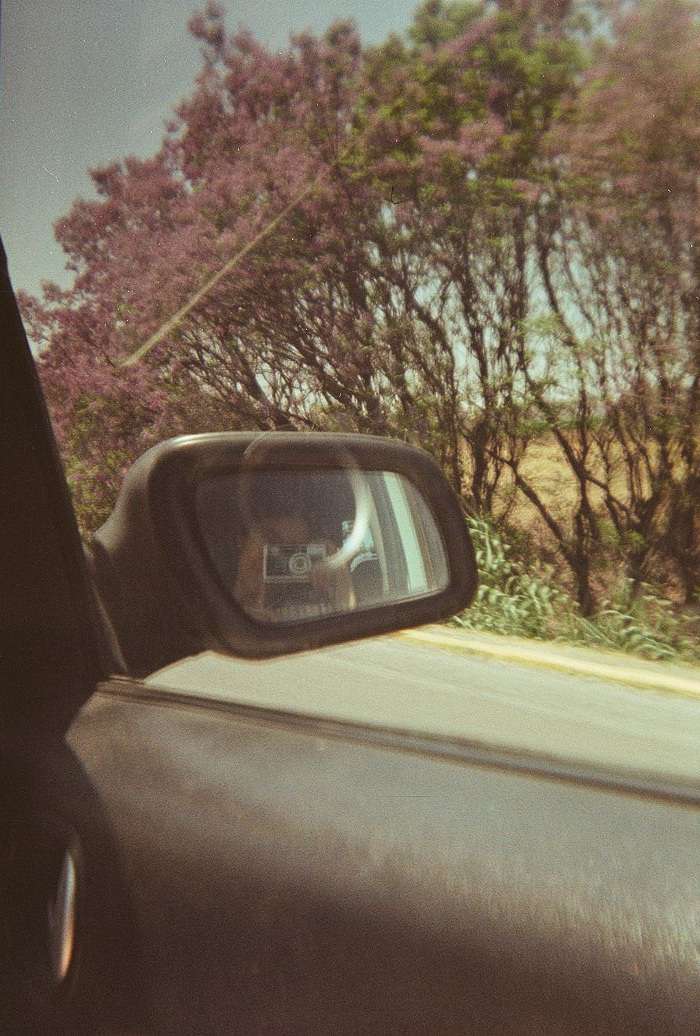
Photography by Abigail Flores // Developed and scanned by Foto Star

Intimate and harrowing poetic prose. Universitat Autònoma de Barcelona.