Was there any obsession, fixed idea, or image that guided the creative process of the album, even if it's not obvious to the listener?
Yes, curiously enough, without realizing it, we were including some typical elements of regional Mexican music. And it was fun to notice because on the album I try to return to my childhood, searching for my fears at their root. I grew up in Chihuahua, a place where regional music abounds, where you find someone on any corner singing boleros, banda, or corridos. So it wasn't just in the lyrics that my story was reflected, but also in the music.
The moment we realized what we were doing, we became obsessed with ensuring that in every song, no matter how distant it sounds or feels, there is an element of regional music.
What was the process of deciding which songs would and wouldn't be part of the album?
The album began as a “fictional” story, composing songs from different points of view, which didn't necessarily have to be part of me. Things change when I write “colitaderana", that’s where I got the album title, “me da miedo ser feliz.” At that moment, everything changed. I discarded songs and proposed a new idea for the album: to talk about my fears, concluding that the only thing I’m afraid of is being happy. There were songs that contained overlapping fears, and I had to discard some of them. There were also fears that could hurt people close to me, so I decided to discard them because it wasn’t the right time. Each song speaks of a different fear, but they all connect to the fear of being my most genuine self, the fear of being happy.
What changed in the way of writing, recording, or producing on this album compared to previous recordings?
The beautiful thing about the process of making this album is that I worked on it with the same people who saw me start out. The album was mostly recorded with a basic interface in my apartment closet. There's something about recording "dirty" that gives a more organic feel to what I want to share. I also gave myself the opportunity to compose some of the songs with other songwriters, something I had never tried before. I think the biggest difference was exploring other genres without fear of straying from the sound that already "defined" me.
Were there any songs that were particularly difficult to finish or let go of? Why?
“colitaderana” and “tquiero" in general, they were very easy to write and record but complicated to produce and mix because they were so simple in terms of musical accompaniment.
What role did intuition and error play during the process?
Music itself is very intuitive. At least in my case, when I'm working on a song, it tells me which path to take, what it needs and what it has too much of. But mistakes are key to finding the right sound or feeling; making mistakes is the most fun part. Sometimes mistakes stay in the final version because they give it a different touch (breaths, a break in the voice, or chords that don't sound "right," etc.). But trial and error is the only way to get there.
Was the order of the songs intended as a narrative? How was the order decided?
There are two parts to the album; it's divided into a before and an after, with the healing process in between. The last song I composed was "después," which opens the album as the before. I introduce the album with "después (antes)," a voice note I sent to Pau, my cousin, the moment I finished composing it. It remains as a voice note, a sign of the fear that still exists, of an unpolished stone.
The first part of the album talks about my fears related to my insecurities and frustrations regarding how the outside world perceives me as "colitaderana", "hastalamadre”, “todo pasa”, “pa que". In them, I share some of my fears about pursuing my dreams, my fears about being my most authentic self. I present myself as more immature, with a lot of pain and work to do.
The healing process is the middle part. Here I begin to see things from a different perspective, I begin to allow myself to fall in love with myself again and to look for love out there. I recognize what I have experienced with “dejarte ir" and I express my fear of falling in love again in "el sillón". Someone worthwhile comes into my life, someone so special I wouldn't want to hurt them, but I have to leave. To pursue my dreams, I'm leaving the country, and there's a barrier called distance that was going to separate us. I apologize for this with "tquiero".
I've come to the realization that whoever wants to be there will be; a relationship takes two, and I'm letting go of my fear of loving completely with "aquí cabemos". With "todo y nada" I'm saying goodbye to everything that ever hurt: who I was, and welcoming who I want to be.
“después” closes the album with a more mature and complete version of what the lyrics of “después” truly mean. Today is all we have; tomorrow is unknown. After the coffee gets cold, after you blink, and 26 years of your life have passed, spent being someone you don't want to be. After your dreams vanished and stayed there; after you realize you were only afraid of being happy.
Which composers, musicians, bands, producers, and studios would you like to collaborate with in the future?
I'm blessed to work with some amazing artists, but if there's one thing I never want to stop doing, it's dreaming. Some artists/composers/producers I admire and would love to work with someday (in no particular order): Silvana Estrada, Milo J, Guitarricadelafuente, Bratty, pablopablo, Natalia Lafourcade, Carla Morrison, Rosalía, Jon Bellion, Lizzie McAlpine, MARO.
And some of the studios would be Sonic Ranch, Panoram Studios, and Abbey Road Studios.
Photo credits
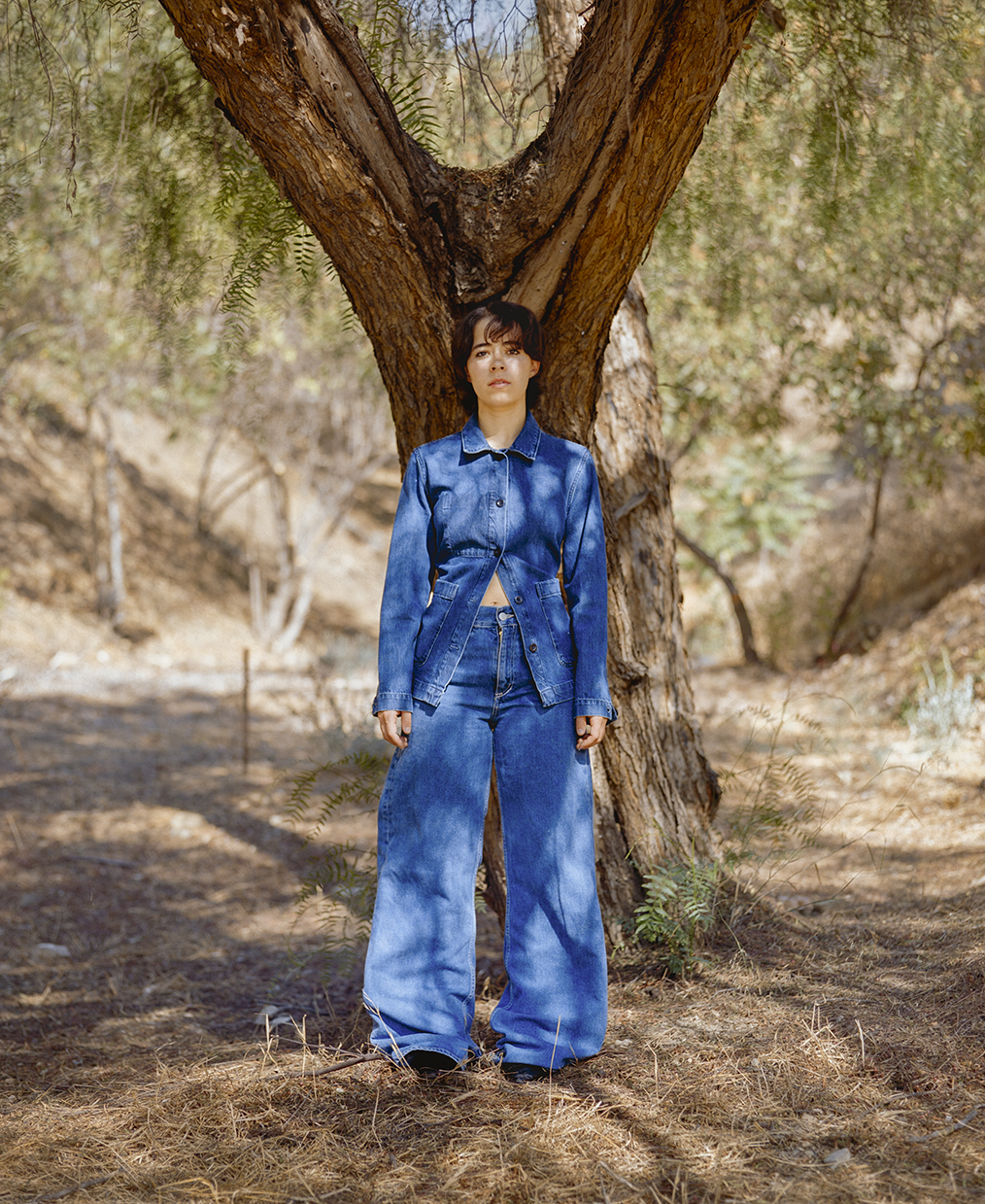
Photographer: Roberto Panossian
Creative direction and styling: Paulina De La Paz
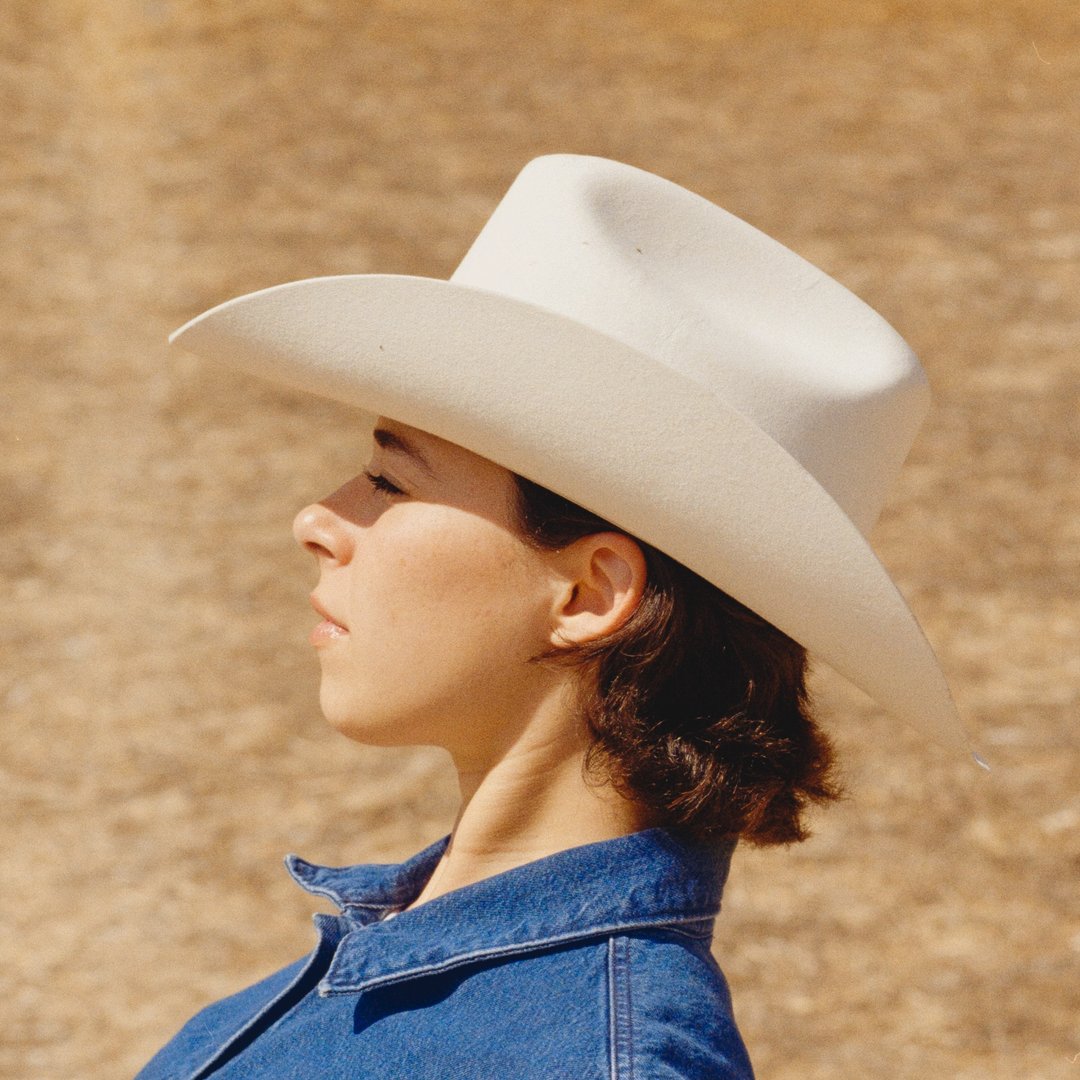
Beatriz is a singer, songwriter, and biotechnology engineer originally from Chihuahua, whose life has been shaped by expectations. Through her alter ego bpuntito seeks to reconnect with her essence and express herself without fear.