The larger the space, the easier it is to lose your things, suele decir mi padre. Y cuánta razón tiene, piénsalo. ¿Cuántas veces te has sentido extraviado entre las interminables opciones de las plataformas de streaming, perdido entre miles de listas de reproducción? Esa misma sensación de perderse aparece en los centros comerciales con estacionamientos inmensos, en los aeropuertos abarrotados de salas, entradas y salidas o incluso en ciudades que, aunque pequeñas en territorio, se sienten tan enormes que te parece imposible coincidir con alguien a quien extrañas.
I've always preferred intimate places. Perhaps it's due to the influence of my father, who used to say that valuable things should be cared for, and when you finally find them, you have to keep them.
A few weeks ago I returned to the city and felt lost again. And Cuernavaca isn't exactly a metropolis, but it's changed so much that it's hard to recognize. The good things are still there, but they don't appear as easily anymore.
I began my tour of the usual places, observing more closely so as not to miss anything, trusting that my memory would withstand the passage of time better than my father's. Returning after years inevitably awakens nostalgia and the silent doubt of whether one made the right decision to leave.
As I walked, the cool air brushed against my cheeks. A gentle breeze stirred the few remaining green leaves, dislodging the dry ones as easily as brushing off a speck of dust; they fell lightly. Then I found it: the perfect spot. Tall trees, a vibrant garden, a small stream, dogs strolling happily with their owners, and just a few steps away, art: imposing murals.
My father used to bring me here. We'd eat in that garden, play, and he'd tell me stories about the meaning of those murals. Back then, I believed everything he said; his stories inspired me, they pushed me to leave because the city was starting to feel too small for me. Now I know that many of his interpretations were his and his alone, but that doesn't matter anymore.
That's when a new—yet familiar—scent caught my attention. Coffee.
My first reaction was the opposite: how could these capitalist entrepreneurs invade such a perfect atmosphere? But the smell, the warmth of the day, and the charm of the place won me over. I couldn't resist the unknown. Gram Coffee.
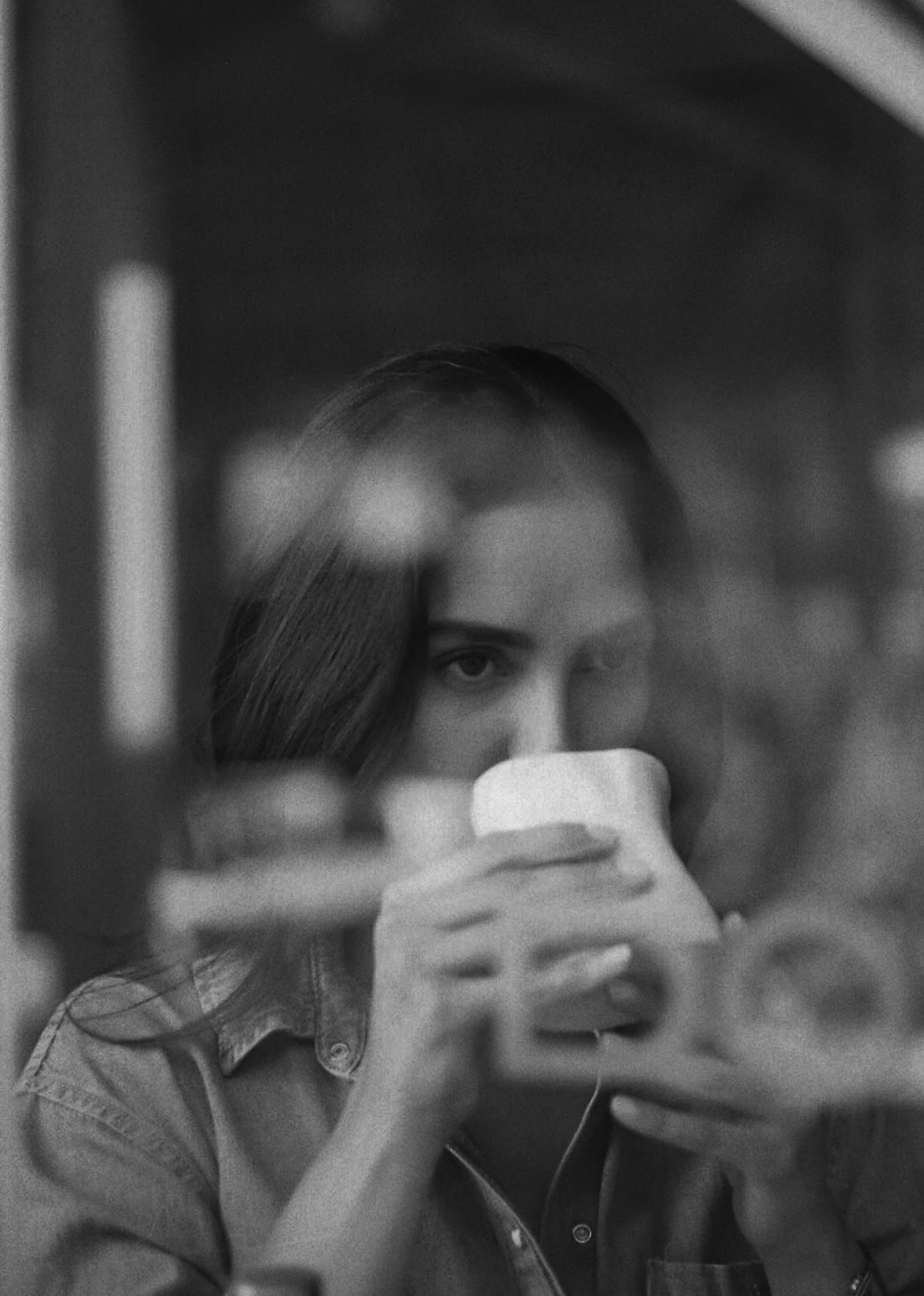
It was a small, cozy space with large windows, plants, natural light… and, above all, extraordinary coffee. I sat down, ready to find some fault that would justify leaving, but before I could, a smiling young woman approached. She recommended a coffee roasted especially for them, originally from Xico, Veracruz, and suggested pairing it with a guava pastry. She couldn't have been more right.
Gramo was bustling: people chatting, others working, some—like me—simply observing. I couldn't help but wonder what drew all these people there. Who had the idea to open a coffee shop in a place like this? And how does a business like this operate in a city where everything seems to move at such a frantic pace?
As I reflected and enjoyed the aroma of my cup, the music began to dominate my senses: it was playing Saturn, by Sleeping at Last. My skin prickled. I turned my gaze back outside, toward Siqueiros' murals, and took another sip of my coffee. Without realizing it, I was smiling.
I'm home. I'm in my city. I'm not lost. I'm back.
And even though Dad is no longer here, I found him here.
Thank you, Gramo Café.
Photography by Noé Contreras // Developed at Utopian Film Lab
I am an observer who writes, a dreamer who writes, a critic who writes, an unemployed person who writes. And above all, I am someone who, when he doesn't know what to say, writes.