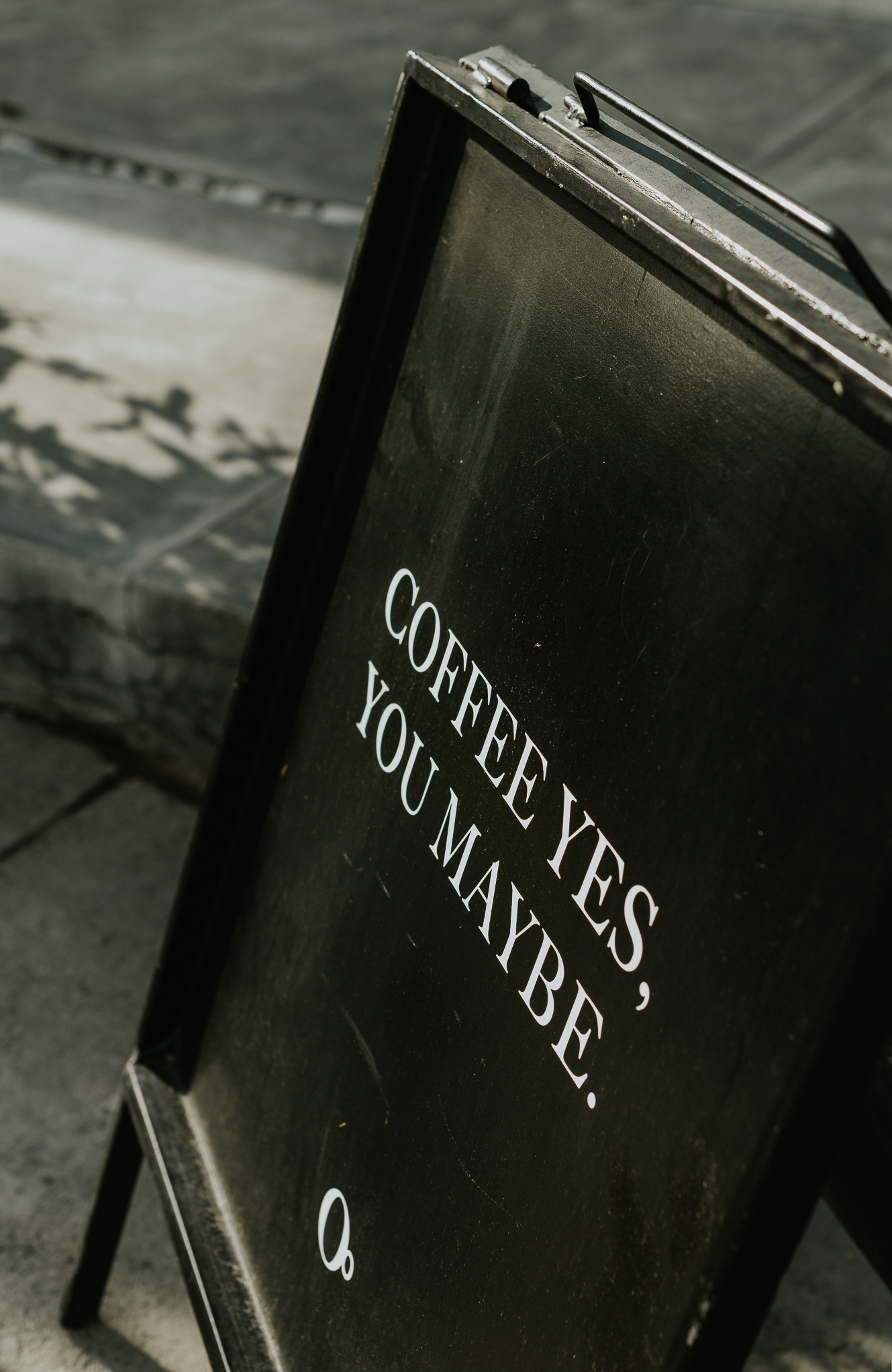
How did this place come about and what made it different from the start?
Veinte Cero was born in 2020, right in the middle of the pandemic. It was a complicated year, full of uncertainty, when many of us were asking ourselves what to do with our lives. In the midst of that moment, I decided to start something small: preparing bottled cold brew ready to drink.
I began researching coffee varieties, testing different ratios, and doing many experiments until I found a recipe that truly convinced me. That recipe is, in fact, the same one we still use today at Veinte Cero.
What started as a personal search to better understand coffee ended up becoming something bigger. From the beginning, the difference was that curiosity to go further—not just selling coffee, but understanding it, respecting its origin, and sharing it with people from a more conscious place.

What part of the day, space, or creative process do those who work here enjoy the most?
We believe every day is unique, because each one is different. Something we really enjoy is taking the time to keep learning and discovering new things within this complex—and ever-expanding—world of coffee.
We love cupping new varieties, exploring their profiles, and having those coffees available at the bar so our customers can discover and enjoy them as well. But perhaps the most rewarding moment is seeing a customer come back to the bar because they genuinely liked our coffee. There’s nothing better than that moment.

If someone is coming in for the first time, what should they not miss?
Trying a filter coffee. That’s where you can really understand coffee: its notes, its process, its origin. Many times it’s the first time someone discovers that coffee can taste like fruit, honey, or flowers.

What has been an interesting challenge that has made you rethink something about the project?
One of the most interesting challenges has been understanding the context of the coffee market in San Luis Potosí. Sometimes it can feel limited, and that forces you to constantly rethink how to sustain a specialty coffee project without losing its essence. For us, the biggest challenge has been staying true to our concept: continuing to build community and educate our customers about coffee. It’s not just about having a good product, but about building a culture around it.
Over time, you also realize that a project like this isn’t sustained by the cup alone, but by the team that makes it possible. Building a good team, sharing a vision, and creating a strong work culture becomes just as important as the coffee we serve.

What influence, idea, or reference continues to shape the way you work today?
The idea of respecting origin. The more you learn about the field and the producers, the clearer it becomes that coffee doesn’t begin in the espresso machine—it begins on the farm. That continues to guide many of our decisions: which coffee we buy, how we present it, and how we share it with our customers.

What place, project, or person has inspired you recently and why?
Traveling and visiting coffee farms always changes your perspective. Recently I was in Chiapas with Cafeología , learning about harvesting and processing with producers and people who have dedicated years of their lives to coffee. Being there reminds you that every cup is the result of an enormous amount of work. Returning to the café after that changes the way you serve coffee.

If your space could invite someone to collaborate for a day, who would it be and what would you do together?
I would invite a coffee producer to take the bar with us for a day. It would be incredible for customers to hear directly from the person who grows the coffee: how it’s produced, how it’s harvested, how a process is decided. Many times in the cities we forget that coffee is an agricultural product.

Is there an object, corner or detail of the place that has a story that few people know?
The bar. For many it’s simply the place where coffee is prepared, but for us it’s the heart of the space. A lot happens there: calibrations at seven in the morning, conversations with customers, tastings of new coffees, even important business decisions. A large part of Veinte Cero’s history has taken place there.

If this project were a city, a book, or a record, which would it be and why?
It would probably be the album DTMF from Bad Bunny. It may sound cliché, but there’s something about that album that connects with many people.
I think Veinte Cero has that same vibe. A place where coffee becomes a meeting point, where there is identity, community, and respect for the origin of what we do. A space that, rather than following a trend, tries to stay true to its roots.
Answers by Marlyn Franco Hernández, founder and owner of Veinte Cero Coffee

It’s not just a coffee shop, we’re your favorite
Amado Nervo 1255, Col. Del Valle
San Luis Potosí, S.L.P.
Mexico